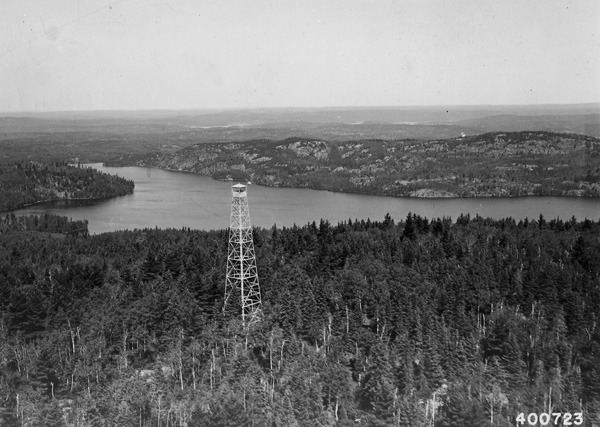
Kekekabic Lookout
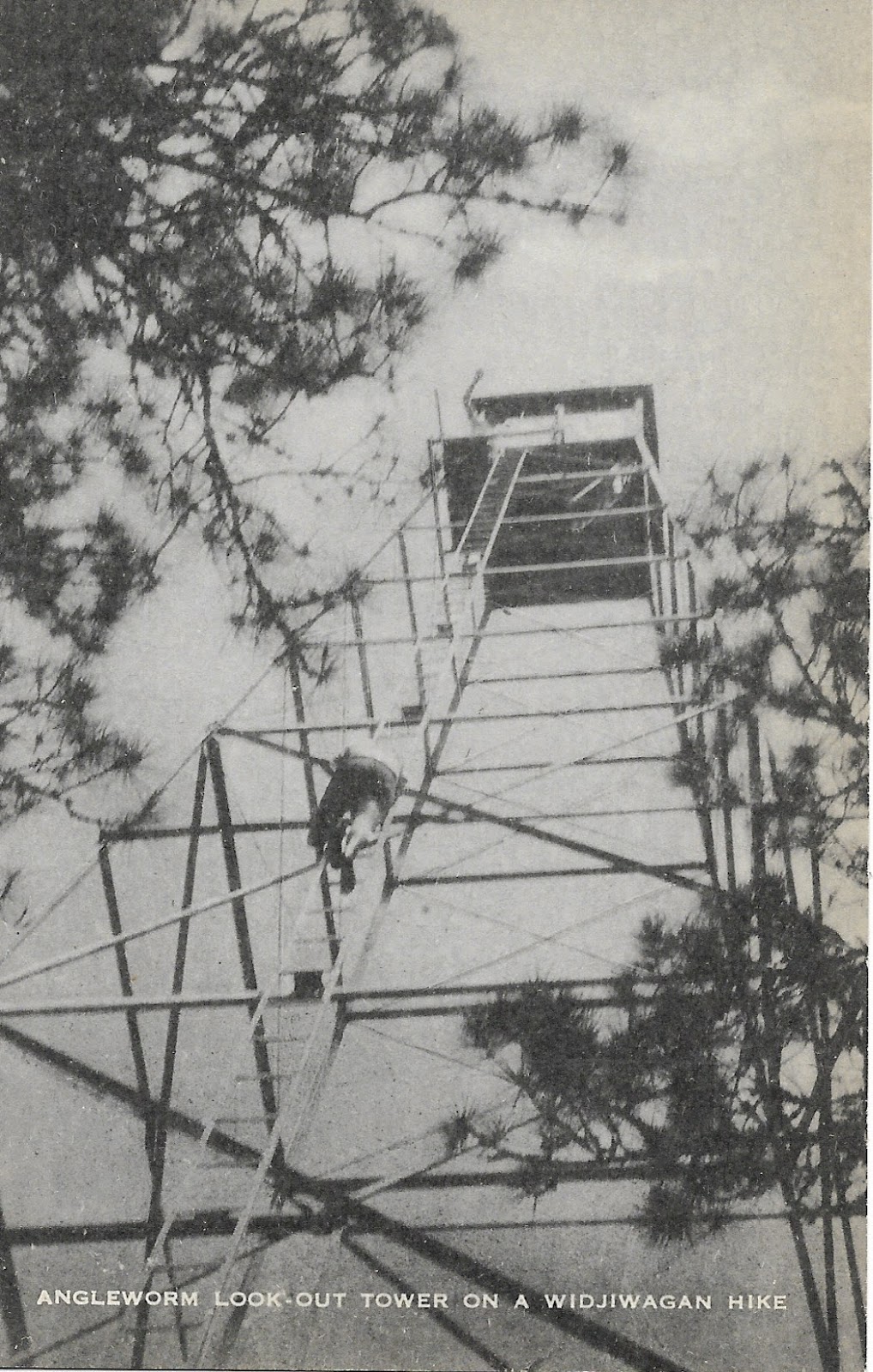
Angleworm Lookout
Slim: Unlike Angleworm or Kekekabic, other towers have very little impact on the average recreationalist, but their history is equally fascinating. When most of us think of fire towers, we imagine these soaring steel structures with a small, enclosed cab on top, and many of our local towers were built this way during the CCC era. These towers were actually just the newest generation in a series of towers with some made of steel and others which stood on timbers. The Slim Tower was a graceful if not rudimentary structure with a small “crows nest” type platform perched atop of a slender steel tower. This old tower was made obsolete by larger towers built during the CCC era and, as such, little remains of it. But, as with most manmade structures, a few remnants may be found such as footings and some cabling. And today as folks drive down Van Vac Rd to enter at Slim Lake or explore the north arm ski trails, they pass by this now-empty hill where rangers once dutifully kept watch.
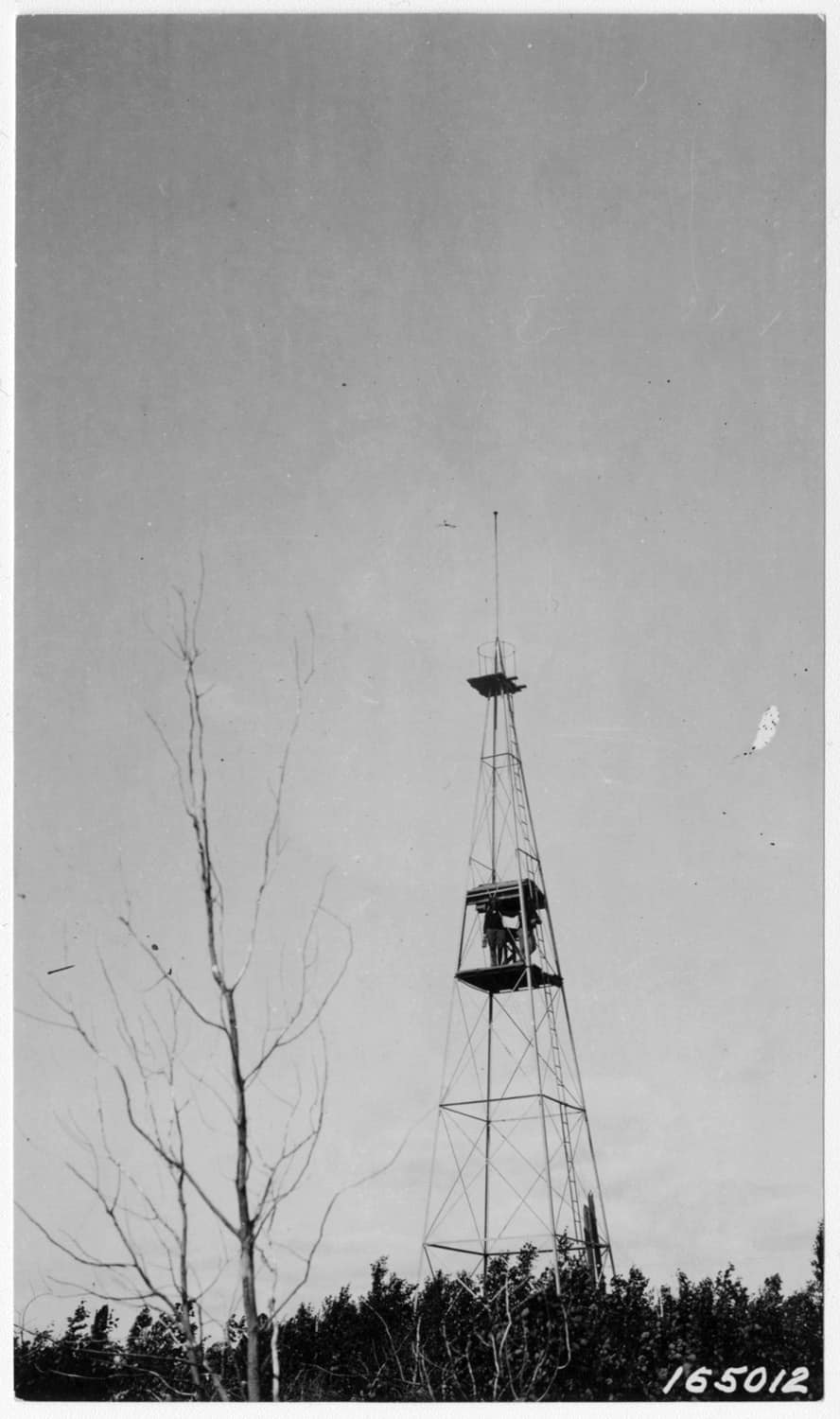
Slim Lake Lookout
In these stories of the old fire towers, though the forest is quickly reclaiming its own, we are reminded that this land has a history. And even if the average canoe tripper or backpacker today is completely unaware of it, the signs and stories of the past are still there for the finding. It’s amazing how much our Boundary Waters experience was shaped by the fire tower and ranger cabin network so that even today, fifty years after the the towers began to close, we are still following the same trails and portages cut by the rangers who used them. This little glimpse of history is, itself, a reminder that in every portage and footpath here we follow in the footsteps of the past. Whether these trails were crossed by voyageurs or native peoples, by legendary figures whose names are familiar to us or people lost to history, in venturing here we share in a piece of their legacy. Think of them on your next canoe trip. You never know what stories lay hidden just around the corner.



Sign up for our newsletter to receive updates about new articles, great deals, and information about the activities you love and the gear that makes them possible:
Have You Read Our Other Content?
How to Plan a BWCA Route: The Treebear Way
Amidst guiding, outfitting, and plenty of personal trips in between, I’m blessed to have “crossed the line” into the BWCA 88 different times. I look back at all those incredible memories and know beyond a shadow of a doubt that the Boundary Waters still has plenty of surprises in store and so many more breathtaking moments to come. I also believe I…
How to Name Over 1000 Different Lakes – The BWCA
The Boundary Waters have seemingly endless lakes bearing names from Ojibwe, French, English, or English mistranslations, misspellings, or honest translations of the Ojibwe. Many have fascinating backstories of how they came by their names. Some lakes have seemingly had the same name as long as time can remember while others have switched multiple times. This…
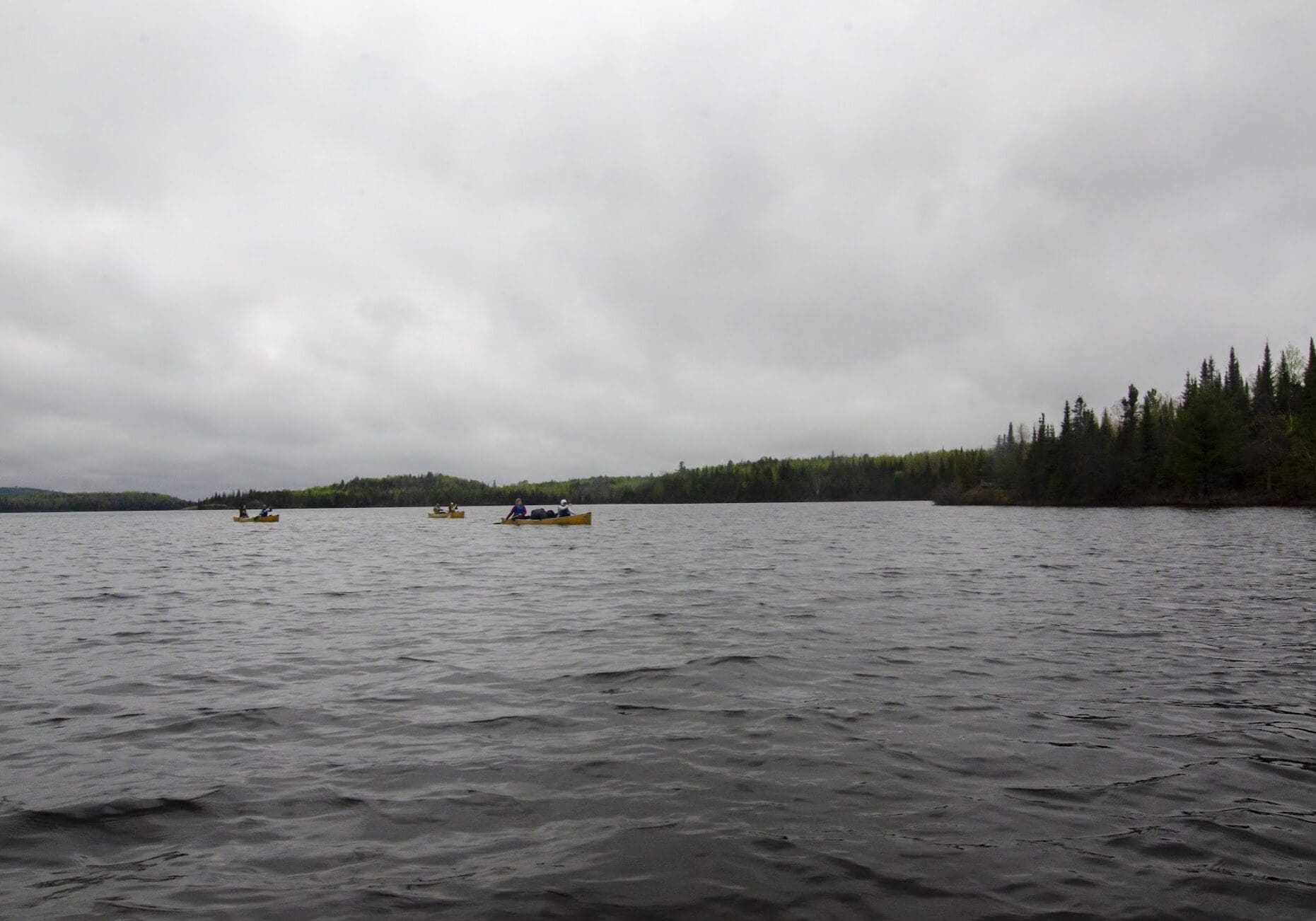
The Annual Border Challenges – A BeaV Perspective
We are a week away from the annual Minnesota Border Route Canoe Challenges hosted by The Water Tribe. Each year, a small-yet-dedicated crew set off from Sha Sha Resort near International Falls, from Crane Lake or Little Indian Sioux on the western edge of the BWCA, or from Moose Lake off the Fernberg with the…
How to Chase the Northern Lights – A Short Story
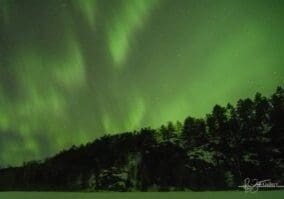
Article writing can be a process for me. I usually have five or six partial articles in the queue and sometimes take long breaks from one before coming back to it again. Sometimes there are complicated graphics or illustrations to put together or lots of research to be done. Very rarely is an article reactionary…

Is it possible to visit EVERY lake in the BWCA?
This is one of those funny questions. I don’t know if other major BWCA trip enthusiasts have had to encounter it, but I certainly have. It usually comes from someone that isn’t that familiar with the Boundary Waters who, upon hearing of your adventures and how much time you’ve spent, wonders if you’ve been to…

Trail Stories: Why I Love to Share the Wilderness
In my time in the Boundary Waters, I have come to love sharing the experience with people who are completely new to it all, yet there is so much potential for things to be frustrating when introducing people for the first time. Perhaps you won’t be able to travel as quickly as you normally…
A Few Tips for Faster Portaging
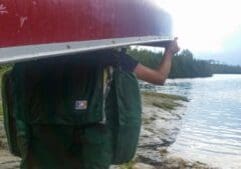
“Anyone who says they like portaging is either a liar or crazy,” said Bill Mason, the legendary Canadian paddler and environmentalist, in his 1984 film Waterwalker. While there’s a gritty sense of satisfaction in carrying your entire camp over rocks, roots, and trees, for most paddlers portages are something to be completed rather than savored. And…
Footsteps of the Past – Tracing Minnesota’s Historic Portages
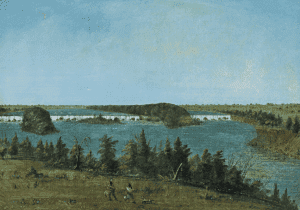
. In 1992, a report was concluded as portages of historical significance were surveyed in order to be included in a bid for the National Register of Historic Places. As part of this survey, archeologists looked for signs of the past and recorded the conditions of the trails and how time had changed them. The results were varied. Some trails had vanished completely or become so overgrown that they were nearly impossible to follow. In a few places in Minnesota though, there are still opportunities to trod in the tread of voyageurs and native peoples alike with a canoe on your shoulders and a sense of adventure in your heart. The spirit of the portage is still very much alive in the land of 10,000 lakes. Here are some of the most historic portages in the state.
Map Mondays – Week 9 – Trout to Moose River South
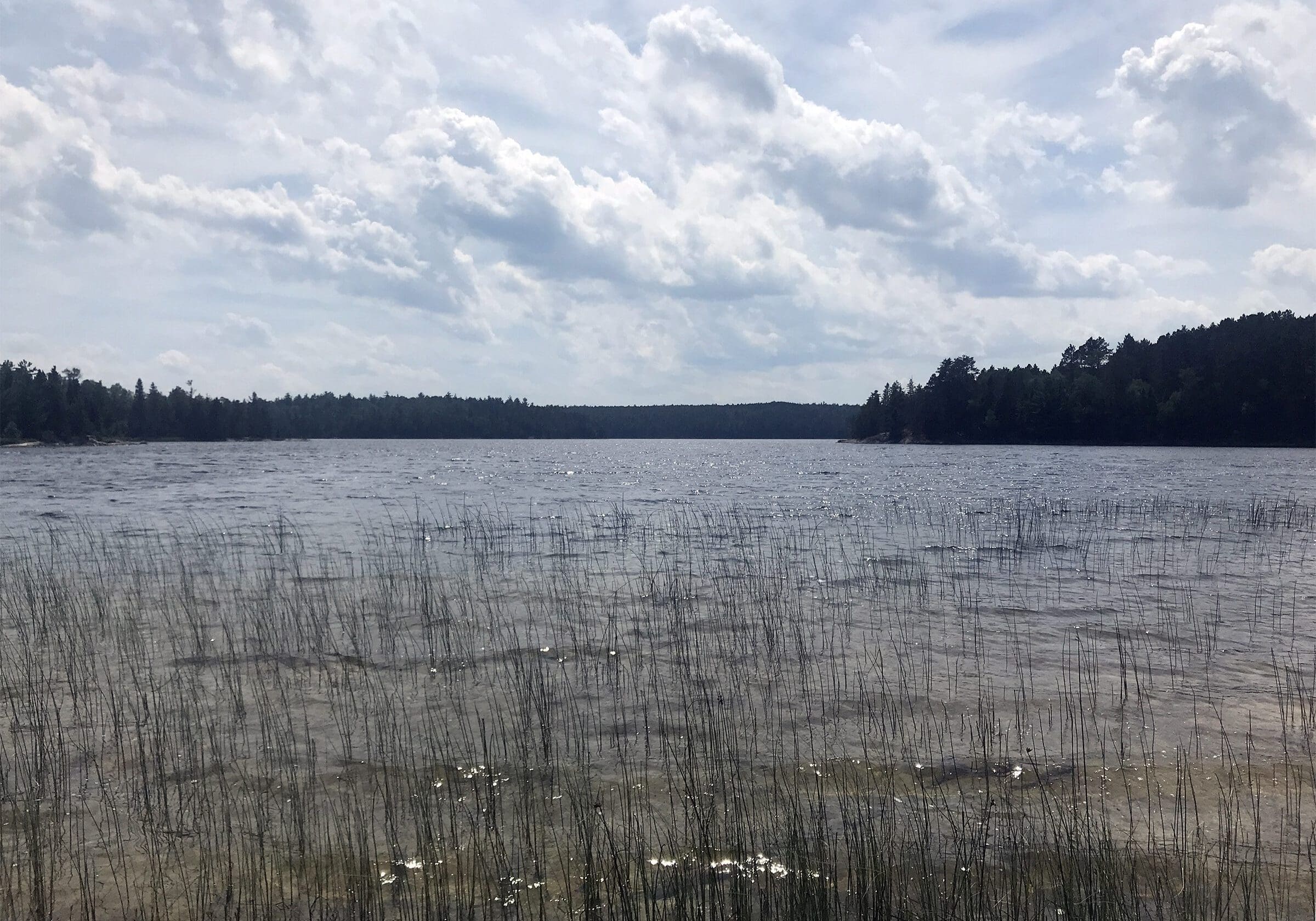
As part of our continuing series on the “route planning game,” we are creating routes using randomly selected entry points, exit points, and number of days to create unique and fun BWCA routes. This route highlights a route across the rugged western section of the BWCA. Check it out: Total Mileage: 35.2 milesNights: 5Paddle Distance:…
We’re Open – Five Things to Expect In Our New Retail Space
If this week’s heat wave has been any indication, summer is here along with all the awesome activities that come with it. It’s time for canoeing, kayaking, fishing, camping, hammocking, hiking, or whatever other activities are going to get you outdoors. If you find yourself heading to Ely for any of these activities…
Author Bio: