Finding a great campsite can be one of the great joys of a canoe trip. Waking up in a stand of majestic pines, enjoying a cool breeze rolling off the lake on a midsummer afternoon, and cooking over a campfire without worrying about bugs can make a campsite that much more memorable.
Occasionally, these sites are discovered by delightful accident. But consistently finding the best campsites often takes a little more work and wilderness savvy. Here are a few subtle guide tricks for finding memorable Boundary Waters campsites.
1. Find a west-facing site
Wind often comes from the west in the BWCAW. In the summer, finding a site with western exposure helps keep camp cool and blow away the mosquitoes. Of course, in early spring and fall when bugs aren’t an issue, just the opposite might hold true if you want to escape the wind in the colder temperatures.
2. Look for mature pines clear of underbrush
Sites with mature pines and an open forest floor often have fewer bugs.
While thick underbrush and swampy areas hold bugs, the breezy, open forest floor and lack of favored habitat in some mature pine stands tend to keep the bugs away for much of the day.
Not to mention that camping in a majestic pine forest carpeted in soft pine needles is one of the joys of canoe country.
3. Travel early in the day and beat the crowds
Sunrise is often the most peaceful, beautiful time of day in the Boundary Waters. The wind has yet to pick up, the wildlife is undisturbed and active, and many other groups are still asleep. And paddling in the cool of morning is a welcome escape from hot summer afternoons.
While the BWCAW is still a secluded refuge from civilization, during peak paddling season (late June through mid August) you’ll probably run into plenty of other paddlers, especially near entry points and the more popular lakes. By aiming to reach your destination campsite around lunch or shortly thereafter, you’ll beat most of the crowds and often have the first choice of campsites on your target lake. And it’s a mighty fine feeling to eat lunch at that beautiful five-star campsite while watching other groups paddle by. Arriving early in the day also allows time to relax and enjoy the rest of the afternoon in camp.
4. Scout ahead of time with online tools
Using the internet to scout campsites and portages might feel like cheating to some. It’s completely understandable if this diminishes the simplicity and delightful unknowns of a BWCAW canoe trip for you. But knowing the lay of the land and reading trip reports from other paddlers can lead to a very enjoyable trip, still full of adventure and curiosity fueled by the hints and descriptions found online. When time in the woods is at a premium (which it is for most folks, myself included), knowing which campsites are favorable can save time and travel. And a great campsite can make a trip that much sweeter.
Two favorites include paddleplanner.com and bwca.com
5. Look out for widowers!
Be sure to check your site for dead or unhealthy trees or branches hanging over tent pads, especially if in the warm months of summer when thunderstorms are common. Find the “lightning tree” (the tallest in the area) to gauge where lightning strikes pose the most risk, as root systems sprawling away from the tree can carry a lightning strike a long distance. Keep in mind that wind often comes out of the west, though during storms wind direction can be unpredictable. Straight-line winds in the BWCAW are not a joke, and injury or worse from a fallen tree is not worth saving the little bit of extra time it takes to find a site without hazards.
Finding a campsite with fewer bugs, relief from the weather, and a chance to avoid the crowds can help make a canoe trip that much sweeter.
While favorite sites are occasionally discovered unexpectedly, following these tips will help you find favorable campsites more consistently on your next trip into canoe country.



Sign up for our newsletter to receive updates about new articles, great deals, and information about the activities you love and the gear that makes them possible:
Have You Read Our Other Content?
5 Guide Tricks for Finding Great BWCAW (or Quetico) Campsites
Finding a great campsite can be one of the great joys of a canoe trip. Waking up in a stand of majestic pines, enjoying a cool breeze rolling off the lake on a midsummer afternoon, and cooking over a campfire without worrying about bugs can make a campsite that much more memorable. Occasionally, these sites…
Map Mondays – Week 9 – Trout to Moose River South
As part of our continuing series on the “route planning game,” we are creating routes using randomly selected entry points, exit points, and number of days to create unique and fun BWCA routes. This route highlights a route across the rugged western section of the BWCA. Check it out: Total Mileage: 35.2 milesNights: 5Paddle Distance:…
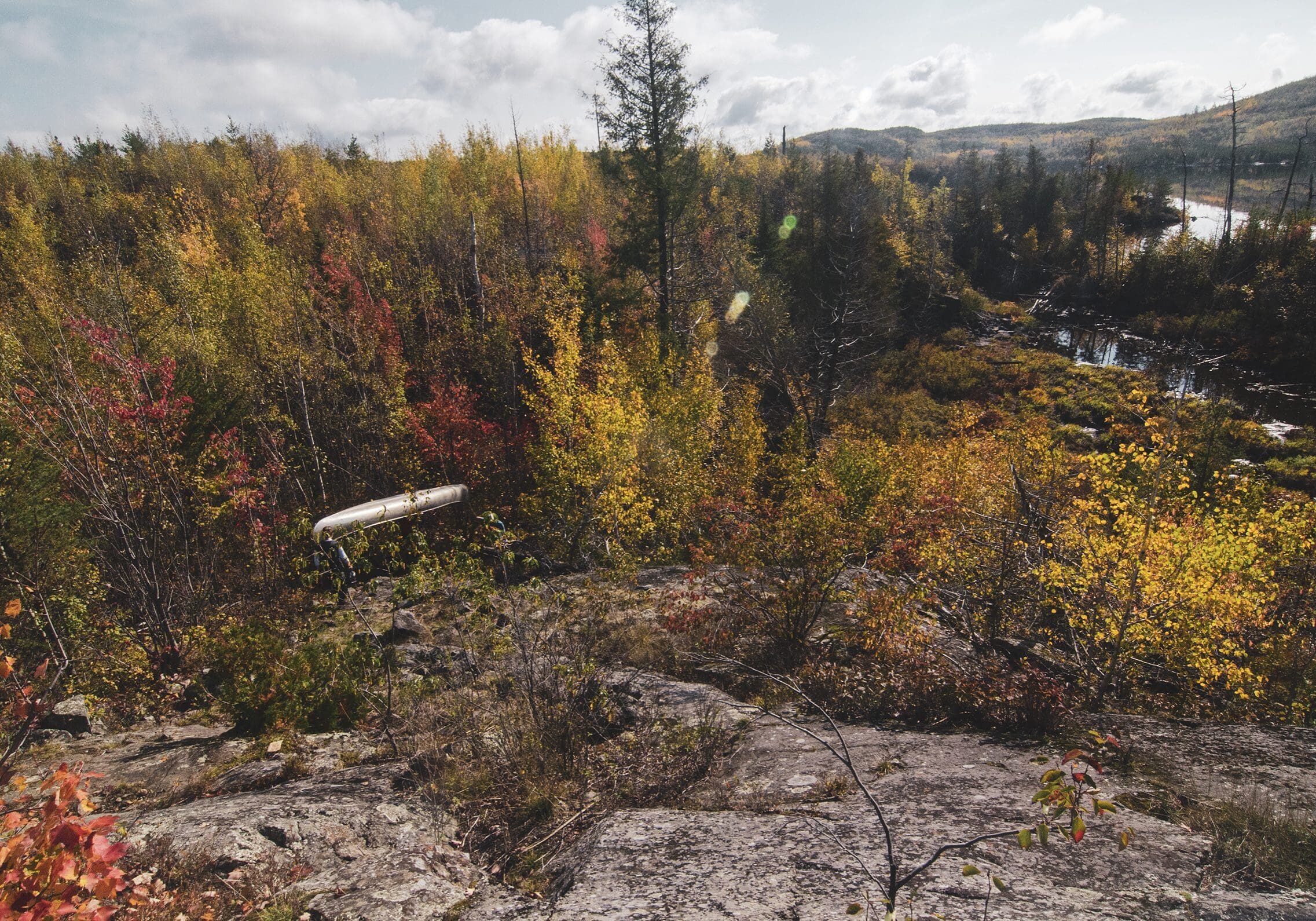
The 12 Longest Portages in Canoe Country
The act of portaging between two waterways is usually, understandably, an intentionally short affair. Paddle to the closest point between two water bodies and then portage. This doesn’t make it easy or “type 1 fun” every time, but it’s the burden we bear for wilderness travel. Some portages stick with us whether they are steep…
How to Name Over 1000 Different Lakes: Part 2
Last year, we published an article about Boundary Waters lake names, their inspirations, their backgrounds, and which themes and names are common or often repeated. Among 1100 different lakes in the BWCAW alone, there are quite a variety of names! In this sequel article, we are visiting the BWCAW, Quetico, and Voyageurs National Park to…
Wildlife in Wildlands – A History of BWCA Wildlife
The Boundary Waters Canoe Area Wilderness, Superior National Forest, and Voyageurs National Park make up the largest wild landscape in Minnesota as well as being one of the largest wild spaces east of the Mississippi in the US. Combine that with wildlands directly across the border in Quetico Provincial Park and the surrounding crownlands, and…
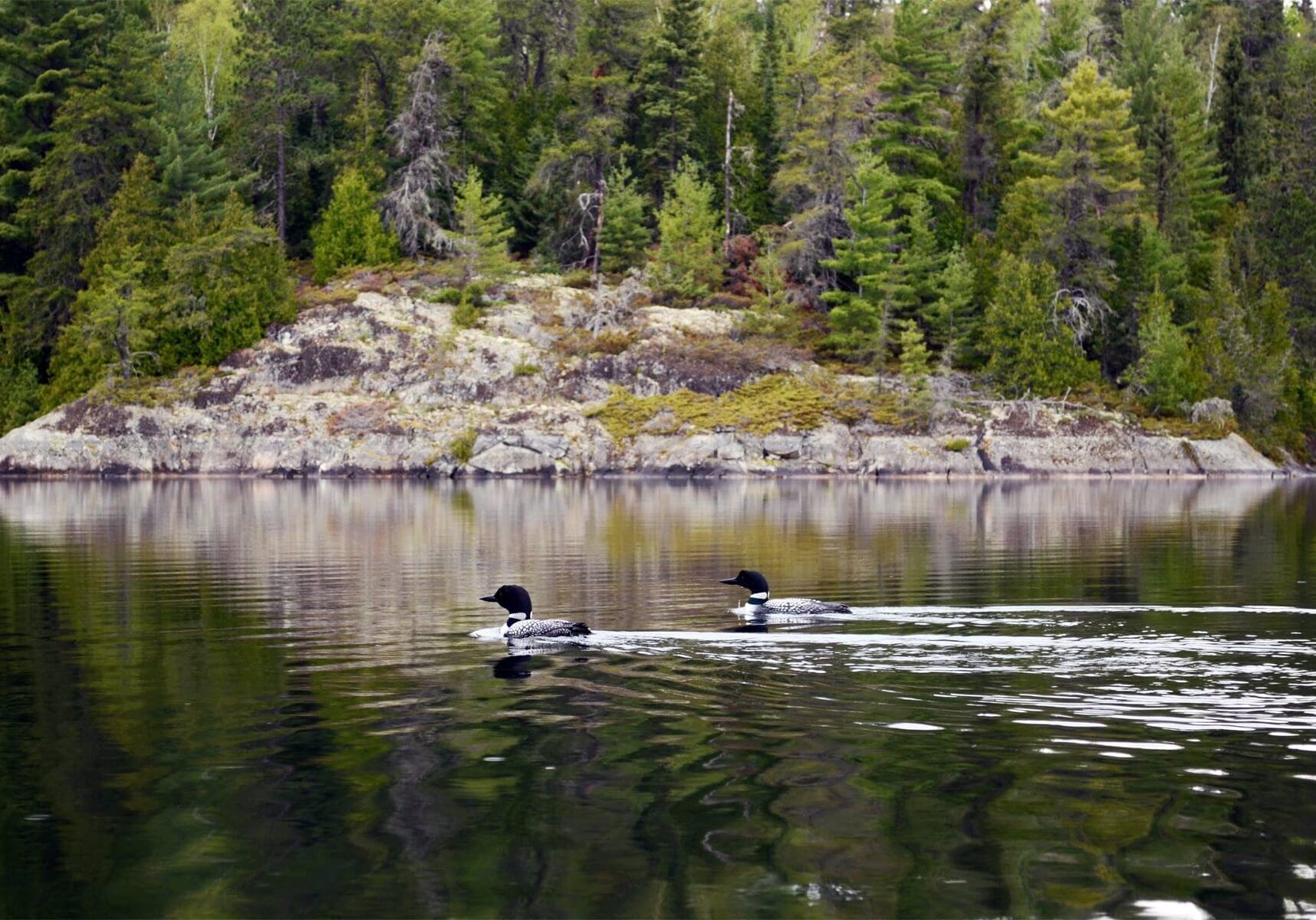
Flying South – Where Do the BW’s Birds Go?
Every winter, the forests of canoe country fall silent as so many of the sounds of summer fade with the season. With the coming of winter’s chill, many of the birds that call these wild shores their summer home head south to milder wintering grounds from the rivers of southern Minnesota, the southern states, all…

A Bird’s Eye of the BW – Telling the Story from Above
It started as a funny game of sorts. As I was scrolling past google satellite imagery dreaming of future canoe country routes and trip plans, I would begin noticing the occasional canoe group on the photos. I soon began looking for them. It was a game of “I spy,” picking out small floating canoes and…
The Evolving Food Pack – How Gear Improves Over Time
Every spring as outfitters begin gearing up for the busy summer season ahead, production begins to turn from winter dogsports back to portage packs. Alongside the new gear, a reunion of sorts takes place as old packs come back to us through the fall and into the spring as outfitters send in old gear for…
The Route Planning Game
“Probably the best remedy for the canoe freak is map watching. Pouring over maps can often get you through the canoeless season when nothing else can. I recommend it highly. If you coat the maps with plastic, you can even use them as tablecloths, curtains, and all sorts of things. However, no matter what you…
A Few Tips for Faster Portaging
“Anyone who says they like portaging is either a liar or crazy,” said Bill Mason, the legendary Canadian paddler and environmentalist, in his 1984 film Waterwalker. While there’s a gritty sense of satisfaction in carrying your entire camp over rocks, roots, and trees, for most paddlers portages are something to be completed rather than savored. And…
Author Bio: